Planetarium Provenance, Hamburg Planetarium
Uwe Fleckner, Planetarium Provenance. The creation, disappearance, and salvage of Aby Warburg’s “Picture Collection on the History of Astrology and Astronomy"
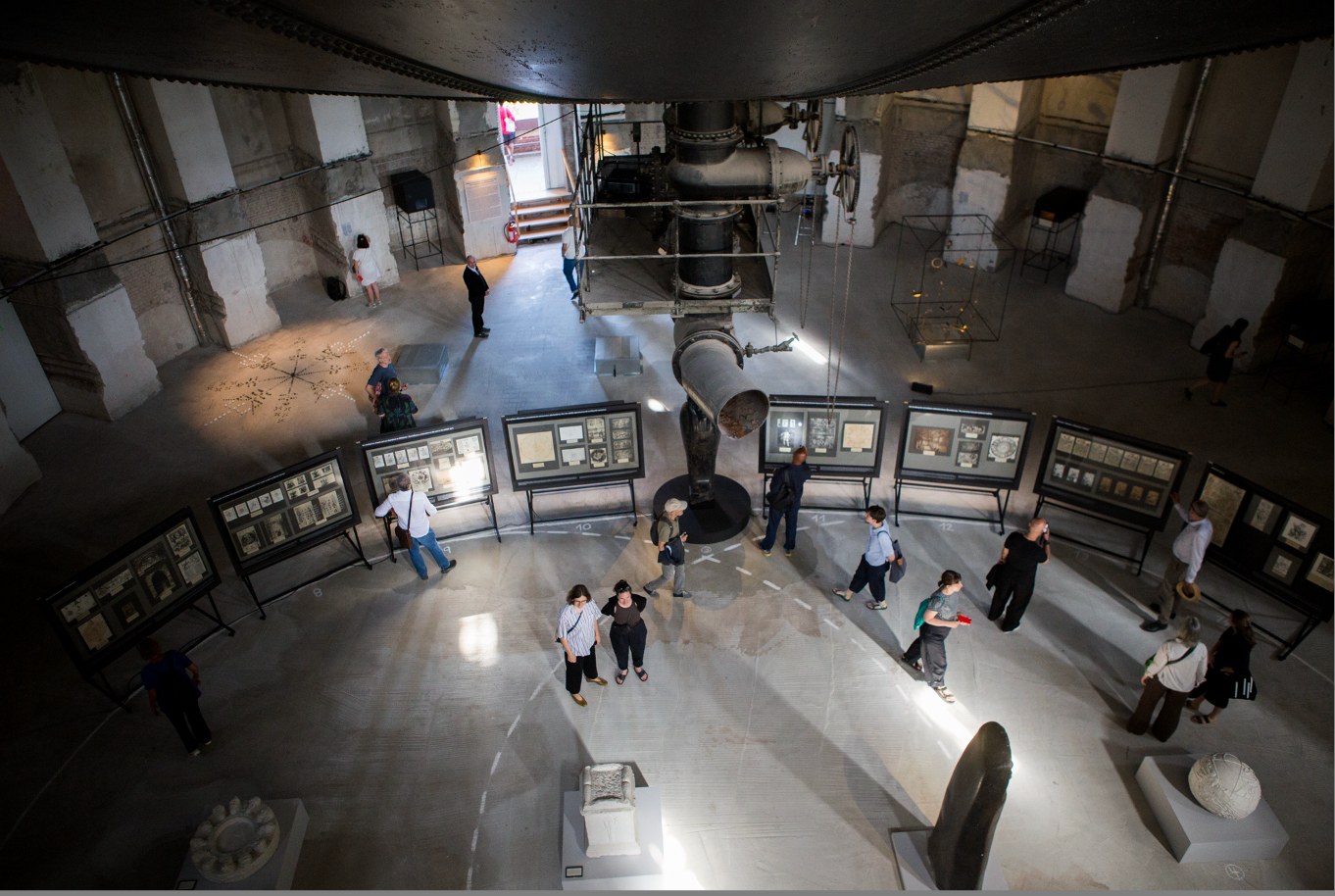
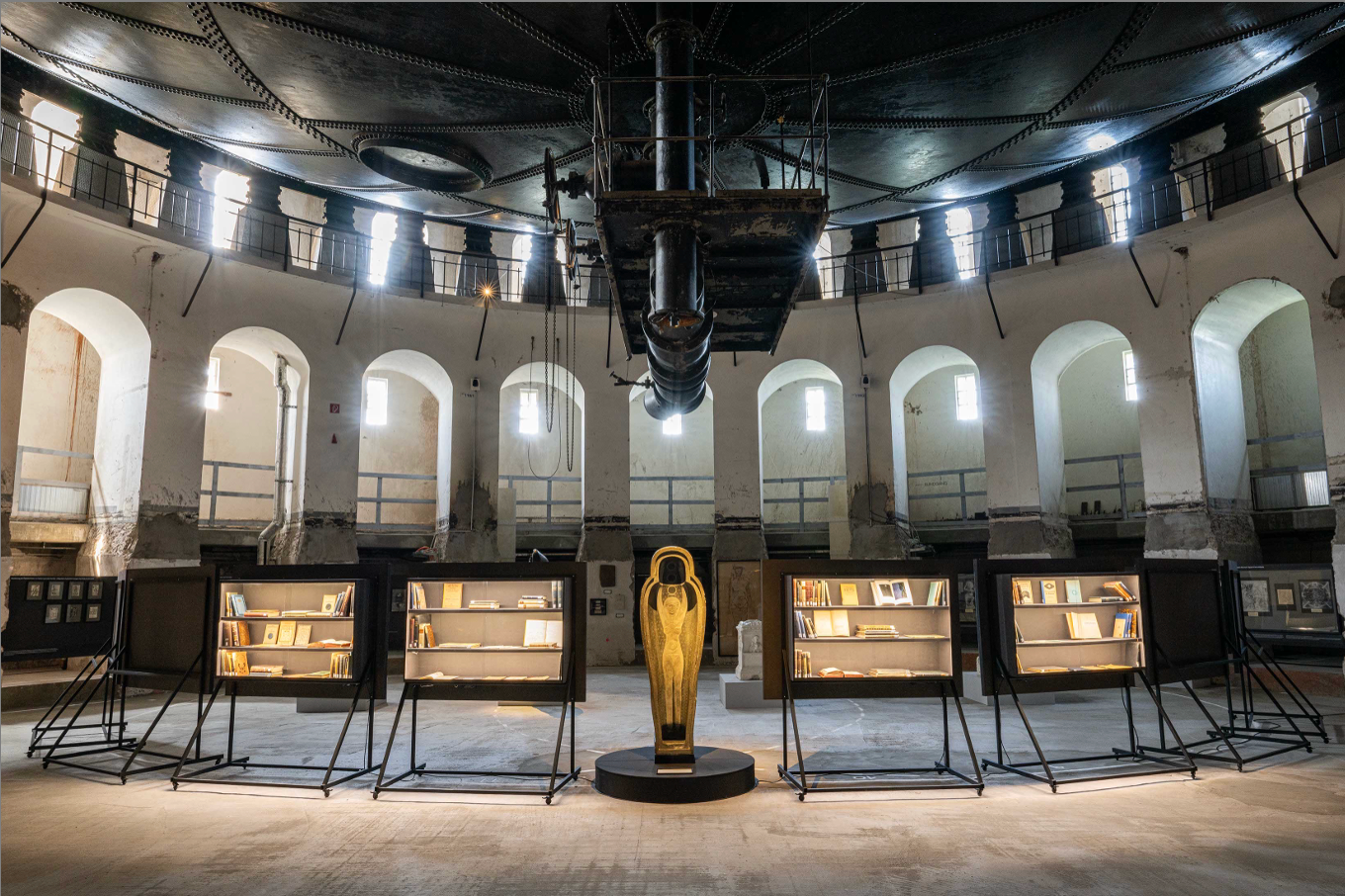
A few months after Aby Warburg’s death in April 1930, his exhibition on the cultural history of the human gaze towards the heavens opened in the water tower of Hamburg’s city park; it had originally been planned as a branch of the Kulturwissenschaftliche Bibliothek Warburg. The exhibition, which comprised 17 sections, ranging from ‘Primitive Peoples’ to ‘Kepler’ and representing the sum total of Warburg’s intellectual life’s achievements, survived – unlike the KBW itself – the ‘Third Reich’, was refurbished in the 1960s and subsequently gradually sacrificed to a misunderstood concept of scientific progress. By the late 1980s, the exhibition was considered irretrievably lost, but was rediscovered and fully reconstructed by Uwe Fleckner, then an art history student at Hamburg University. In the 1990s, the exhibition was temporarily made accessible to the public again at its original location and published for the first time (cf. most recently Aby Warburg: Bilderreihen und Ausstellungen (ed. by Uwe Fleckner), Berlin 2012, Gesammelte Schriften. Studienausgabe, Bd. II.2).
Since the summer 2025, the exhibits – including reproductions, drawings, plaster casts and dioramas – have been on display once again in the fascinating architecture of the water tower, where they recount the cultural history of humanity’s engagement with the cosmos. The lecture focuses on the provenance of this unique material testimony to Warburg’s work in his home town and, using it as an example, explains Warburg’s bipolar understanding of history, which he prefaced with the following motto for his exhibition: “The history of celestial science shows the diverse forms of human world view. Beginning with the fear of demons and magic, mankind must always measure anew the path to the abstract logic of scientific observation.”
People involved